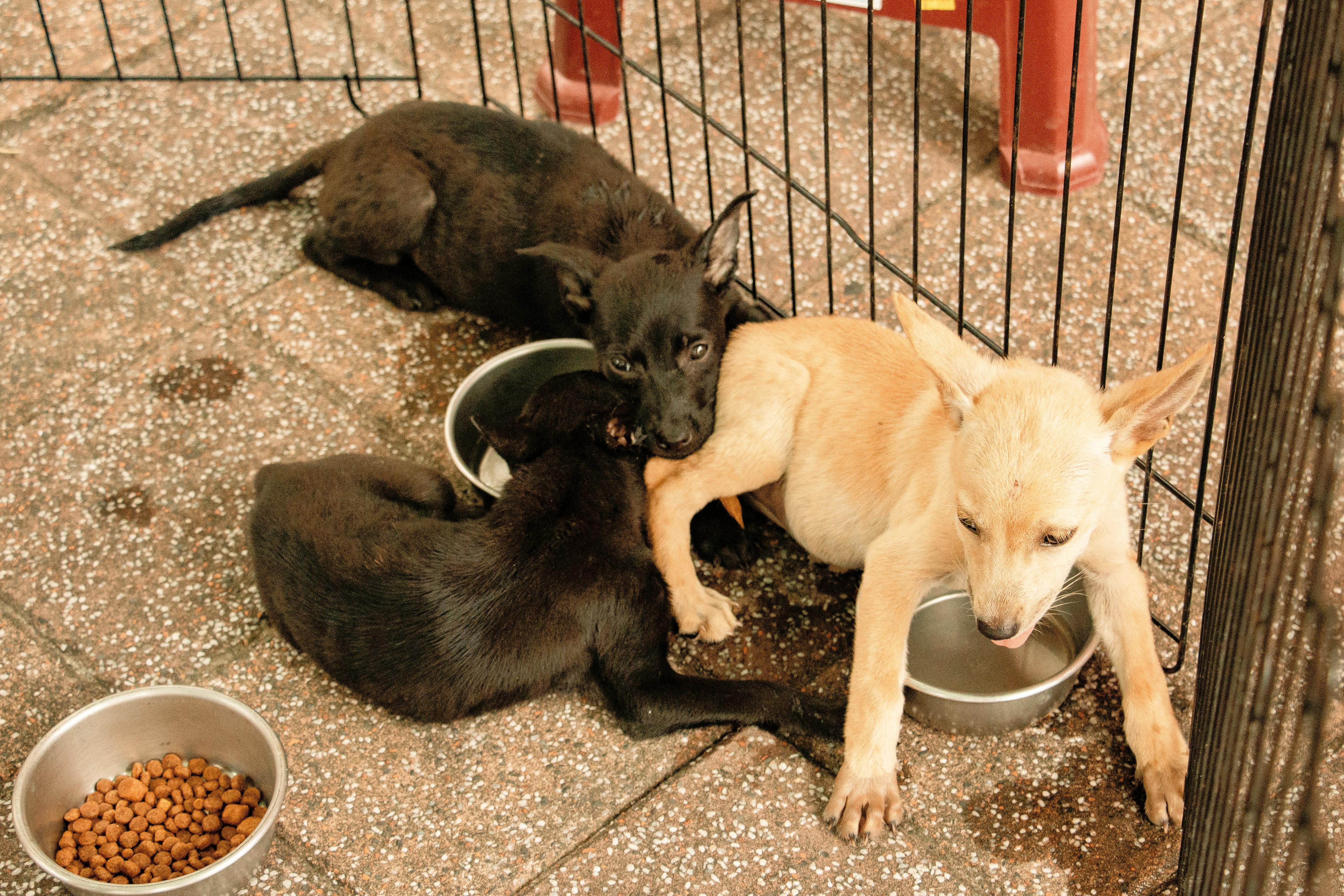
Puppy Nutrition & Diet: Building a Healthy Foundation From the Start
What your puppy eats during their first year plays a major role in their growth, development, and long-term health. Puppies grow fast, learn quickly, and burn a lot of energy — which means their nutrition needs are very different from adult dogs. Start your puppies on the food they have been eating and slowly introduce the new food you and your vet have chosen.
Understanding the basics of puppy nutrition helps you make confident choices and set your pup up for a healthy future.
Why Puppy Nutrition Matters
Puppies require a carefully balanced diet to support:
- Bone and joint development
- Brain and cognitive growth
- Muscle development
- Immune system support
- Healthy skin and coat
Feeding the right nutrients in the right amounts helps prevent growth issues and supports steady, healthy development.
Choose Food Made Specifically for Puppies
Puppy food is formulated differently than adult dog food. It contains higher levels of protein, fat, and essential nutrients to fuel growth.
Look for puppy-specific formulas that:
- List high-quality protein as the first ingredient
- Contain essential fatty acids for brain development
- Include vitamins and minerals appropriate for growing dogs
Avoid feeding adult dog food too early, as it may not meet your puppy’s nutritional needs.
Feeding Schedule Basics
Puppies do best with scheduled meals rather than free feeding.
General feeding guidelines:
- 8–12 weeks old: 3–4 meals per day
- 3–6 months old: 3 meals per day
- 6–12 months old: 2 meals per day
Consistent mealtimes help with digestion, potty training, and routine-building.
Treats: Use Them Wisely
Treats are a great training tool, but moderation is key. Too many treats can lead to nutritional imbalance or picky eating.
Tips for healthy treat use:
- Keep treats small
- Use them primarily for training
- Choose simple, high-quality ingredients
- Treats should make up no more than 10% of daily calories
Hydration Is Just as Important
Fresh, clean water should always be available to your puppy. Hydration supports digestion, temperature regulation, and overall health.
Clean water bowls daily and monitor intake, especially during active play or warm weather.
Monitor Growth and Adjust as Needed
Every puppy grows at their own pace. Regularly check your puppy’s body condition and energy levels.
Signs your puppy’s diet is working well:
- Steady weight gain
- Good energy levels
- Healthy stools
- Shiny coat and clear eyes
If you have concerns about growth or appetite, consult your veterinarian.
Nutrition Builds the Foundation for Life
A balanced diet, consistent feeding schedule, and healthy habits early on create a strong foundation for adulthood.
Good nutrition supports not just growth, but learning, behavior, and overall well-being — helping your puppy grow into a happy, healthy dog.
Because a healthy start leads to a lifetime of tail wags. 🐾❤️
#PuppyNutrition#PuppyDiet#HealthyPuppy#PuppyParent#NewPuppy#PetNutrition#DogFoodTips#PuppyCare#PetWellness#DogMomLife#DogDadLife#OneSpoiledPup#SpoiledPup#PetLifestyle
